

When it comes to brain health and balanced moods, dietary amino acids are king. We typically hear of amino acids for their roles in energy metabolism, hormones, immune functioning, digestion, proteins, and building muscle. Amino acids are also involved in mood regulation by supporting our brain chemicals, called neurotransmitters. Ensuring adequate protein intake and proper absorption of amino acids can be the first steps in supporting your moods.
What is an amino acid?
Amino acids are the building blocks of proteins and are essential nutrients necessary for various functions in the body. Here is a simple analogy: If protein was a car made out of LEGO’s, then amino acids would be the individual blocks of LEGO pieces. Different configurations of amino acids create different compounds in the body.
Amino acids are involved in the synthesis of collagen, cellular energy, hormones, enzymes, and neurotransmitters, our happy-feel-good brain chemicals. Every cell in your body uses amino acids and they are fundamental to overall health.
Types of Amino Acids
-
Non-essential amino acids can be produced by the body, therefore dietary intake of these is not as critical. Non-essential amino acids are alanine, asparagine, aspartic acid, glutamic acid, and tyrosine.
-
Essential amino acids cannot be synthesized by the human body and must be obtained from the diet. There are nine essential amino acids and when a food contains all these essential aminos, it is considered a complete protein. Essential amino acids include histidine, isoleucine, leucine, lysine, methionine, phenylalanine, threonine, tryptophan, and valine. Therefore, being that these are ‘essential amino acids’ and we know that amino acids make proteins, that should tell you how important protein intake is in your diet.
-
Conditionally essential amino acids mean that the body typically makes these, but under times of growth and development, poor health, and stress, they are needed from the diet, as they are then considered essential. Conditionally essential amino acids are arginine, cysteine, glutamine, tyrosine, glycine, proline, and serine.
How Do Amino Acids Support Moods and Brain Health?
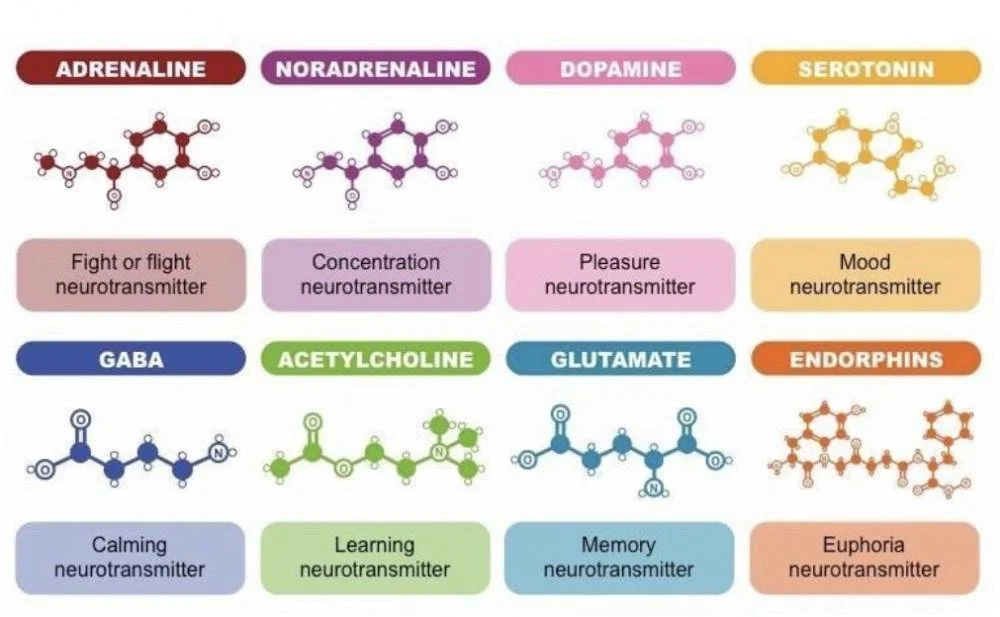
Moods, mental health, and cognitive functioning are controlled by chemicals called neurotransmitters (NT), which help nerve cells in the brain communicate. When these chemical messengers run low, we see issues with our moods, motor control, sensory perception, and psychiatric conditions that can eventually develop.
Amino acids serve as the precursors or building blocks of neurotransmitters and when low, can impact brain health and lead to irregular moods.
If you deal with any of the following, you might benefit from amino acids:
-
Depression
-
Anxiety
-
Low motivation
-
Hyperactivity
-
Anger
-
Irritability
-
Sleep disturbances
-
Inability to concentrate
-
Loss of interest and joy
-
Increased pain sensitivity
Some Major Neurotransmitters Involved in Moods
-
Dopamine
-
Serotonin
-
GABA
-
Norepinephrine
Psychiatric Medications and Nutrition
Health and nutrition are inextricably linked. When we eat better, we feel better. Any nutritionist will tell you that nutrients, such as vitamins and minerals, work in conjunction with medications. A poor diet limits the efficacy of many drugs. This is seen in our practice quite often, where improving one’s diet and nutrient intake leads to medications working better and sometimes even decreasing the need for certain medications.
Many psychiatric medications, including antidepressants, work on modulating neurotransmitters in the brain. Serotonin Reuptake Inhibitors (SSRIs) for example, work on making the serotonin more available between the nerve cells. Inhibiting the reuptake of serotonin keeps them in the synapse longer, so they can reach the receptors on the other side, much like a ferry crossing a river.
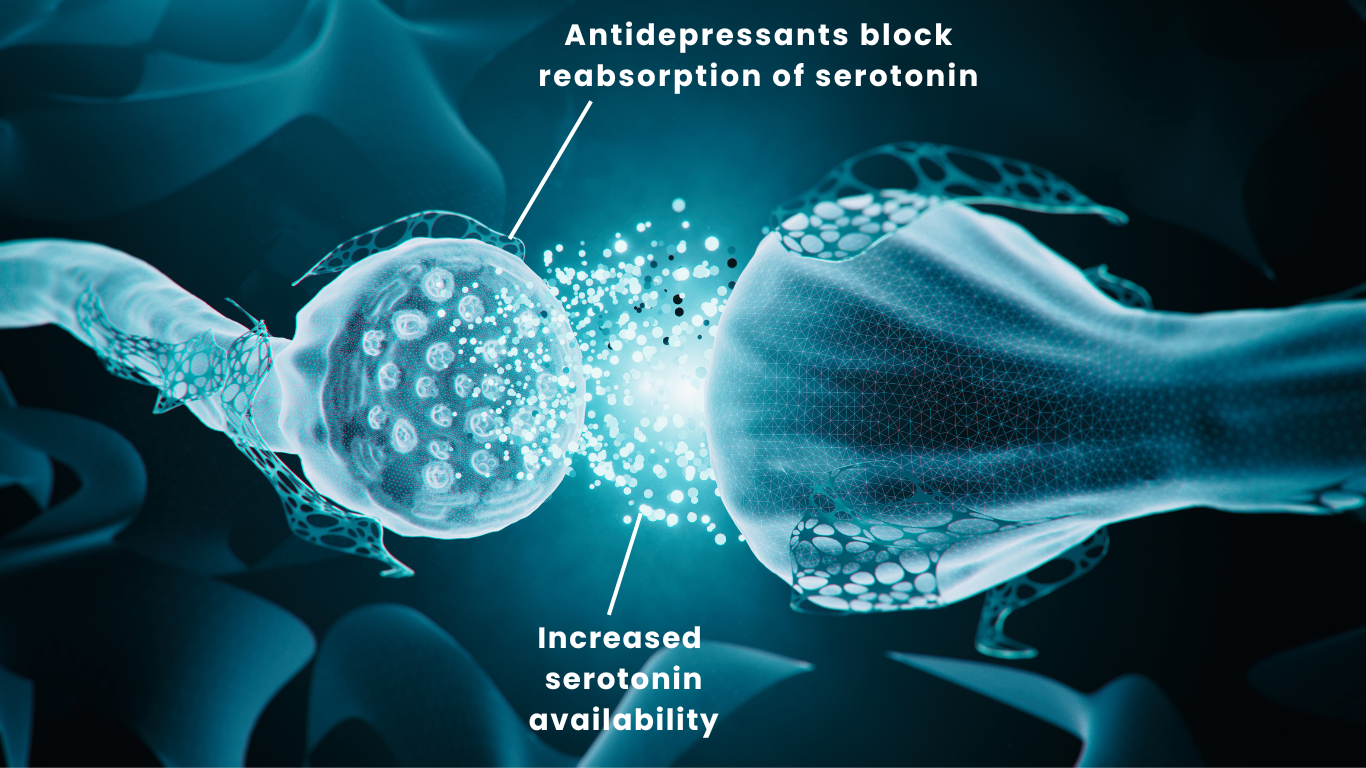
In theory, this makes sense. If serotonin hangs out longer, it will eventually get picked up by receptors from the other cell. Genius idea, but with one fundamental flaw.
The underlying assumption is that there is adequate serotonin in the brain. But what if there isn’t enough serotonin to begin with?
How effective are those medications then?
This is one of many reasons antidepressants, such as SSRI’s, have only been moderately successful for people who try them. With psychiatric medications, it is commonly necessary to switch medications, increase doses over time, and/or add secondary medications to sustain effectiveness. We just don’t know which medication is going to work for which person and to what extent.
Food nutrients, like amino acids, work differently in the body than do medications. With amino acid therapy, it is not uncommon for a patient to experience relief within days and occasionally, even within hours. This turnaround is incredible to witness!
This is the power of nutrition for mental health, which has been referred to as nutritional psychiatry. Functional nutritionists and functional medicine practitioners understand how to properly use amino acids and which of their vitamin cofactors are needed to make them work efficiently.
Using a personalized approach with functional medicine, we uncover the connections between symptoms, the body’s individual biochemistry, and the precise nutrition that the brain and body have been missing.
Using nutritional assessments, along with symptoms, blood chemistry and functional testing, it is possible to restore emotional balance.
A word of caution
While amino acid therapy is safe, and effective and has been used for decades to treat mood disorders, they are not without risks. Excess intake of supplemental amino acids can lead to adverse effects. Even taking the right amino acids at the wrong times, can lead to issues with sleep and overstimulation. This is why it is so important to work with a well-trained provider to support you in utilizing amino acids to improve your mental health. If you or someone you know is looking for support we’re here for you!”